BYOD in education: benefits, risks, and keys to success
Bring Your Own Device: opportunity or risk? We analyze the model that is transforming classrooms.
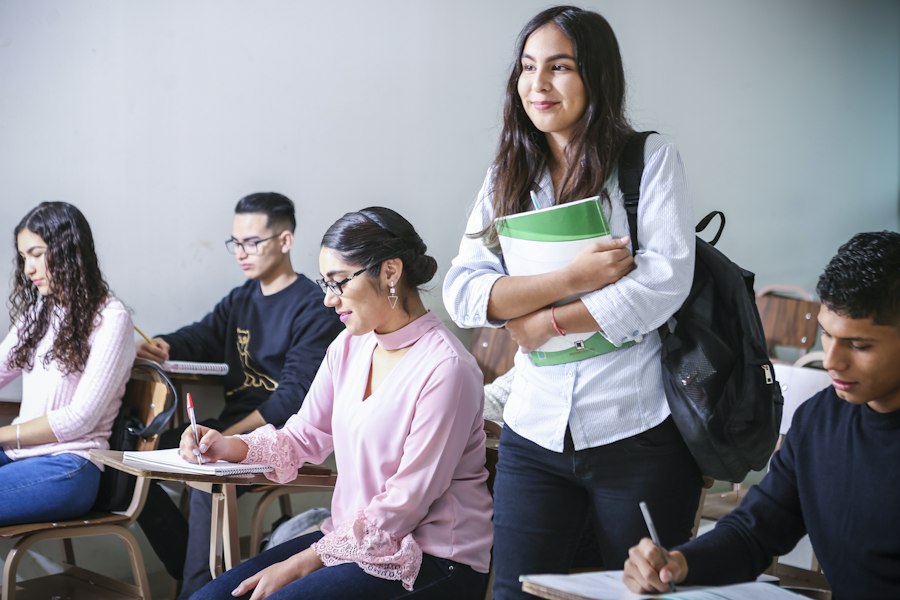
BYOD (Bring Your Own Device) is a pedagogical approach where students use their own laptops, tablets, or smartphones at school. This mobile learning (m-Learning) strategy allows institutions to sustain digitalization without multiplying hardware costs, promoting a culture of ubiquitous learning.
This method integrates the student’s personal technology into the classroom learning ecosystem. Unlike traditional computer labs, BYOD fosters a 1:1 environment (one device per student) that extends beyond school walls, enabling access to LMS platforms anytime, anywhere.
Key benefits: autonomy, continuity, and motivation
Implementing BYOD strategies offers competitive advantages in developing digital competence (Educacion 3.0, 2024):
- Personalized learning: using one’s own device reduces the technical learning curve. Students work in a familiar environment, with their accessibility apps and settings already optimized.
- Home-school bridge: the friction between school and home is eliminated. Projects started in class continue at home organically, enhancing methodologies like the flipped classroom.
- Fostering digital responsibility: as hardware owners, students develop better habits of device care and file management (digital hygiene).
Risks: digital divide, distraction, and well-being
BYOD can also amplify inequalities if not designed with a clear equity plan. Experts warn that not all families can afford a suitable device and that quality differences between devices can translate into differences in learning opportunities. It is essential that schools have a pool of loaner devices to ensure equity.
The use of mobile phones and other devices in the classroom also poses risks of distraction and screen overexposure. The OECD report Students, Digital Devices and Success (2024) shows that intensive device use in class is associated with more interruptions and worse math scores, while moderate use with a pedagogical purpose can be linked to better learning experiences.
At the same time, the UNESCO GEM Report 2023 reminds us that technology should not systematically replace play, reading, and human interaction, and calls for policies that help students live both with and without technology.
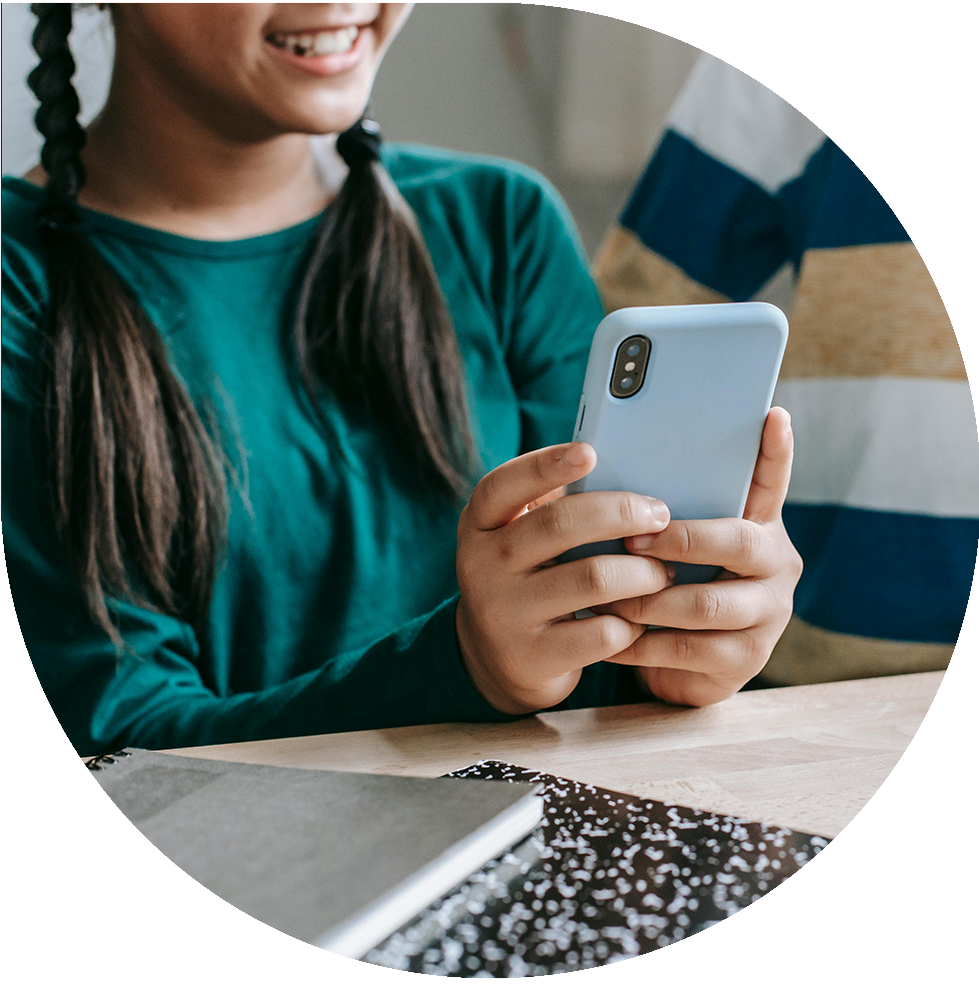
BYOD can be part of the solution if it is designed as a controlled lab where students learn to use their own devices with purpose.
A critical BYOD with clear rules
All experts agree that BYOD cannot equal an anything-goes digital free-for-all; it needs clear rules about when and for what purpose devices can be used in class.
Less banning, more educating: training students to navigate the digital jungle with judgment and turning screens into objects of reflection, not just consumption. — ProFuturo
UNESCO proposes a general criterion that fits well with BYOD: technology should be used only when it offers a proven benefit, respects equity, and is sustainable.
For its part, the OECD emphasizes that the most effective policies combine reasonable limits on device use with teacher training and classroom management tools, rather than relying solely on blanket bans. From this perspective, BYOD can be part of the solution if it is designed as a controlled lab where students learn to use their own devices with purpose, rather than simply being swept along by them.
References
- Educacion 3.0 (2024). BYOD, bring your own device: the model that wants to revolutionize education. educaciontrespuntocero.com
- Campuseducacion.com (2021). The BYOD method: Bring Your Own Device. campuseducacion.com
- OECD (2024). Students, digital devices and success (based on PISA 2022). oecd.org
- UNESCO (2023). Global Education Monitoring Report (GEM): Summary on technology in education. unesco.org
- ProFuturo. Fundacion Telefonica (2025). Less banning, more educating. profuturo.education